| Availability: | |
|---|---|
| Quantity: | |

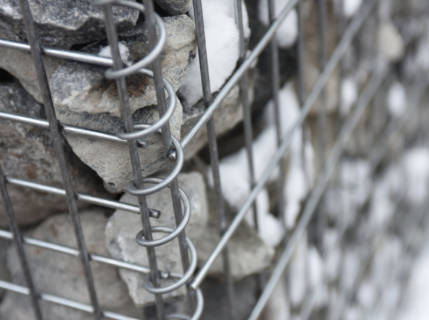
Welded gabion boxes are rectangular wire mesh containers made of welded steel wire. The wire is galvanized or plastic-coated to enhance corrosion resistance, and they are widely used in civil engineering and environmental protection. They can be filled with stones for slope and riverbank protection. With their ease of installation, cost-effectiveness, and durability, they have become the preferred choice for various building and landscaping projects.
High-quality galvanized steel wire; Galvanized layer thickness: Up to 40 microns; Wire diameter: 1.0-6 mm; Mesh size: 50 mm, 100 mm
Length 30-2000 mm, Width 20-2000 mm, Height 20-2000 mm
Single box can withstand up to 1000 kg; Corrosion Resistance Lifespan: Over 25 years in harsh environments
Modular design for easy on-site assembly; Filling Material: Compatible with natural stone; Cost Savings: 35% cheaper than traditional materials
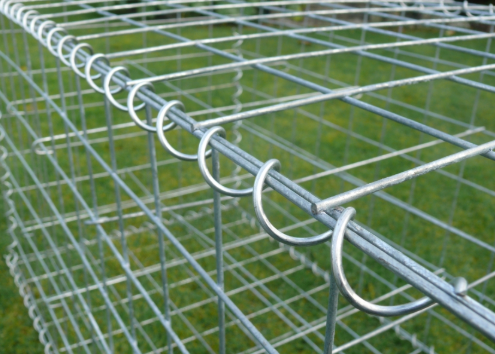
Made with high-quality galvanized steel wire, 40 microns thick zinc layer, strong corrosion resistance in harsh environments, service life exceeding 25 years.
Precision welding fixes the wire intersections, a single box can withstand a 1000 kg static load without deformation, suitable for retaining walls and flood control projects.
Modular design allows for simple on-site assembly; 5 workers can install 1000 square meters per day, saving manpower and time.
Using recyclable natural stone filling, it allows water and air circulation, contributing to ecological protection and suitable for riverbank and landscaping projects.
Saving 35% on material costs compared to traditional materials, with efficient installation, balancing quality and economy.
Outstanding strength, with a single unit capable of withstanding a static load of up to 2000 kg, widely used in roads and hilly areas to prevent landslides.
Corrosion-resistant materials combined with a water-circulation-friendly structure block water flow, prevent riverbank erosion, and maintain river ecological stability.
Modular design allows for rapid deployment, used to build flood barriers and reduce flood damage in low-lying areas.
Can be filled with decorative stones or plants, serving as flower beds, partitions, and water features, adding beauty to gardens and parks.

Q: How long does the welded gabion box last?
A: Our welded gabion boxes, made of galvanized steel wire with a thick zinc coating, can last over [25 years even in harsh conditions, ensuring long - term performance.
Q: Is the installation of gabion boxes difficult?
A: Not at all. They come in modular sizes for easy on - site assembly. A small team can install a large area quickly, saving both time and labor.
Q: What kind of filler materials can be used?
A: Natural stones are the most common filler. They're cost - effective and environmentally friendly. Other suitable materials like crushed rock can also be used depending on the application.
Q: Do the gabion boxes require maintenance?
A: Generally, minimal maintenance is needed. The corrosion - resistant wire reduces the risk of rust. However, occasional inspections for any signs of damage are recommended.

Welded gabion boxes are rectangular wire mesh containers made of welded steel wire. The wire is galvanized or plastic-coated to enhance corrosion resistance, and they are widely used in civil engineering and environmental protection. They can be filled with stones for slope and riverbank protection. With their ease of installation, cost-effectiveness, and durability, they have become the preferred choice for various building and landscaping projects.
High-quality galvanized steel wire; Galvanized layer thickness: Up to 40 microns; Wire diameter: 1.0-6 mm; Mesh size: 50 mm, 100 mm
Length 30-2000 mm, Width 20-2000 mm, Height 20-2000 mm
Single box can withstand up to 1000 kg; Corrosion Resistance Lifespan: Over 25 years in harsh environments
Modular design for easy on-site assembly; Filling Material: Compatible with natural stone; Cost Savings: 35% cheaper than traditional materials
Made with high-quality galvanized steel wire, 40 microns thick zinc layer, strong corrosion resistance in harsh environments, service life exceeding 25 years.
Precision welding fixes the wire intersections, a single box can withstand a 1000 kg static load without deformation, suitable for retaining walls and flood control projects.
Modular design allows for simple on-site assembly; 5 workers can install 1000 square meters per day, saving manpower and time.
Using recyclable natural stone filling, it allows water and air circulation, contributing to ecological protection and suitable for riverbank and landscaping projects.
Saving 35% on material costs compared to traditional materials, with efficient installation, balancing quality and economy.
Outstanding strength, with a single unit capable of withstanding a static load of up to 2000 kg, widely used in roads and hilly areas to prevent landslides.
Corrosion-resistant materials combined with a water-circulation-friendly structure block water flow, prevent riverbank erosion, and maintain river ecological stability.
Modular design allows for rapid deployment, used to build flood barriers and reduce flood damage in low-lying areas.
Can be filled with decorative stones or plants, serving as flower beds, partitions, and water features, adding beauty to gardens and parks.

Q: How long does the welded gabion box last?
A: Our welded gabion boxes, made of galvanized steel wire with a thick zinc coating, can last over [25 years even in harsh conditions, ensuring long - term performance.
Q: Is the installation of gabion boxes difficult?
A: Not at all. They come in modular sizes for easy on - site assembly. A small team can install a large area quickly, saving both time and labor.
Q: What kind of filler materials can be used?
A: Natural stones are the most common filler. They're cost - effective and environmentally friendly. Other suitable materials like crushed rock can also be used depending on the application.
Q: Do the gabion boxes require maintenance?
A: Generally, minimal maintenance is needed. The corrosion - resistant wire reduces the risk of rust. However, occasional inspections for any signs of damage are recommended.