
- All
- Product Name
- Product Keyword
- Product Model
- Product Summary
- Product Description
- Multi Field Search
English


| Quantity: | |
|---|---|


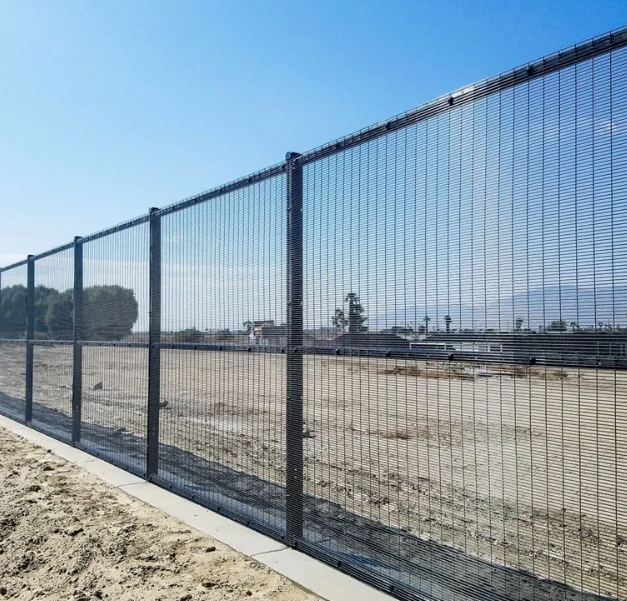
As a benchmark product for high safety scenarios, the technical parameters and performance advantages of the 358 anti climbing fence can be comprehensively presented through the following structured analysis:
Core parameters and protection principles
Design logic:
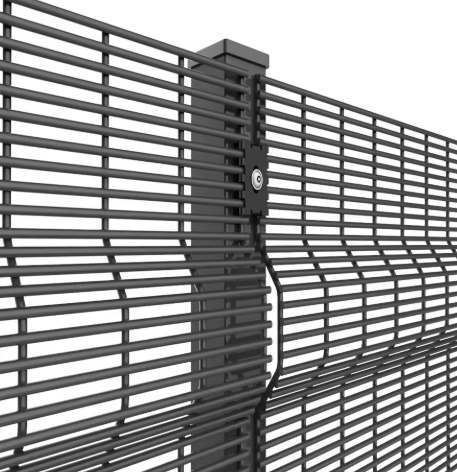
A high-density grid structure is constructed using 3-inch (76mm) horizontal steel bar spacing+0.5-inch (12mm) vertical steel bar spacing+No. 8 steel wire (diameter 4mm) to directly block climbing, cutting, and other invasive behaviors.
Anti intrusion mechanism:
The 76mm × 12mm precision grid effectively limits the grip space for fingers, and is combined with 3-5mm shear resistant steel wire to form a physical protective layer;
The top can be equipped with a Y-shaped anti climbing frame or a snake belly type knife and stab rope to build a three-dimensional protection system;
Cold drawn Q235 low-carbon steel wire (tensile strength ≥ 500MPa) has undergone triple anti-corrosion treatment of galvanizing, dipping, and spraying. It has undergone salt spray testing for over 1000 hours without corrosion. The PVDF fluorocarbon coating has a lifespan of 25 years in high salt spray environments along the coast.
Structural performance and customization capability
Impact resistant design:
The frame is reinforced with rectangular steel pipes and embedded with anchor bolts, which can withstand wind loads of level 8 and impact from seismic areas of level 8;
The modular installation system adopts a dual process of bolt and welding, supporting rapid assembly of single boards, with a daily laying capacity of up to 200 meters, suitable for concrete bases or quick installation brackets.
Customization of appearance and size:
The height range is 1.5 meters to 4 meters (the super high-rise 4-meter version is dedicated to airport/border isolation), the standard board width is 2-3 meters, and non-standard size customization is supported;
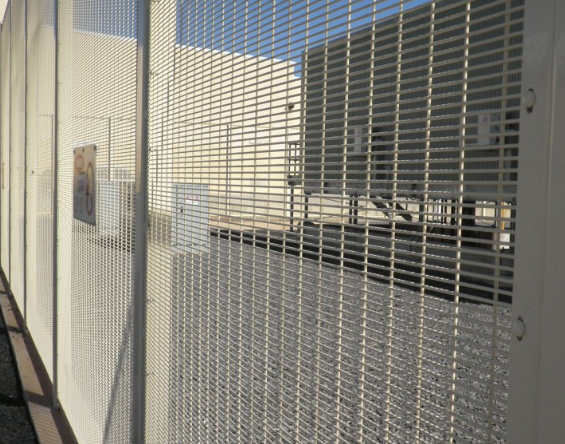
The color system includes standard colors such as dark green, gray white, police blue, desert yellow, etc. It can be customized with camouflage coating or enterprise exclusive colors, balancing concealment and recognition needs.
Application scenarios and cost-effectiveness
Adaptation to high-risk scenarios:
Military strongholds (ammunition depots, command centers), judicial systems (prisons/detention centers), energy facilities (power plants/oil depots), transportation hubs (airport/station isolation zones), high-end properties (villa areas/industrial parks);
Compared to peach shaped fences, 358 fences have better anti climbing performance, but the cost is higher, and the specifications need to be selected according to the risk level (such as recommending 4-meter-high+5mm steel wire+double coating for high-risk scenarios, and 2-3 meters+3-4mm steel wire+single coating for low-risk scenarios).
Maintenance and lifespan advantages:
Daily maintenance only requires rinsing with clean water, and coating damage can be partially repaired, extending the overall service life;
Combining electronic fence alarm system to achieve dual protection of physical and technical protection.
Deep analysis of technical parameters
Material characteristics:
Low carbon steel wire undergoes cold drawing process to achieve a balance between strength and ductility; Laser cutting ensures grid accuracy (76mm × 12mm), minimal error, and excellent flatness.
Coating system:
Adopting a combination process of galvanizing, dipping, and spraying, PVDF fluorocarbon coating is optional to meet different environmental corrosion requirements.
Global case validation
Verified by over 3000 major projects worldwide, from bases in extreme cold regions of Alaska to desert prisons in the Middle East, from Nordic data centers to Southeast Asian port facilities, we have built impeccable security defenses with rigorous process standards.
Summary
Choosing the 358 anti climbing fence means choosing a mature protection solution that has been validated in global high security scenarios. Through comprehensive customization of size, color, and installation methods, it can accurately adapt to the needs of multiple scenarios such as military, judicial, energy, transportation, and high-end property, achieving the implementation of professional level security protection. If you need to customize an exclusive protection plan, you can optimize the specification configuration and installation plan based on specific scenario risk assessment.
FAQS:
Q1: What is the meaning of the name?
Horizontal spacing of 3 inches (76mm), vertical spacing of 0.5 inches (12mm), and No. 8 steel wire (4mm) form a high-density anti climbing grid.
Q2: Anti climbing principle?
The fine mesh prevents grasping, the thick steel wire is resistant to cutting, and the top can be equipped with anti climbing/blade piercing ropes, providing triple protection against intrusion.
Q3: Applicable scenarios?
High security places such as military bases, prisons, and nuclear power plants; More resistant to climbing than peach shaped fences, but at a higher cost.
Q4: How long can it be used?
Galvanized+dip coated, salt spray test for over 1000 hours without rusting; PVDF coating for coastal environments, with a lifespan of 25 years.
Q5: Size and installation?
Customizable height of 1.5-4 meters, standard board width of 2-3 meters; Modular installation, daily installation of 200 meters, recommended bolt+welding fixation.
Q6: Color selection?
Standard colors such as dark green, gray white, etc. can be customized with camouflage or corporate colors; Use dark colors for concealed scenes and bright colors for identification scenes.
Q7: Maintenance costs?
Rinse with clean water, inspect the coating every six months, repair any damages, and have low long-term costs.
Q8: How to choose specifications?
Select a high-risk scenario with a height of 4 meters, 5mm thick wire, and double coating; Low risk selection of 2-3 meters+3-4mm wire+single coating requires professional evaluation.
As a benchmark product for high safety scenarios, the technical parameters and performance advantages of the 358 anti climbing fence can be comprehensively presented through the following structured analysis:
Core parameters and protection principles
Design logic:
A high-density grid structure is constructed using 3-inch (76mm) horizontal steel bar spacing+0.5-inch (12mm) vertical steel bar spacing+No. 8 steel wire (diameter 4mm) to directly block climbing, cutting, and other invasive behaviors.
Anti intrusion mechanism:
The 76mm × 12mm precision grid effectively limits the grip space for fingers, and is combined with 3-5mm shear resistant steel wire to form a physical protective layer;
The top can be equipped with a Y-shaped anti climbing frame or a snake belly type knife and stab rope to build a three-dimensional protection system;
Cold drawn Q235 low-carbon steel wire (tensile strength ≥ 500MPa) has undergone triple anti-corrosion treatment of galvanizing, dipping, and spraying. It has undergone salt spray testing for over 1000 hours without corrosion. The PVDF fluorocarbon coating has a lifespan of 25 years in high salt spray environments along the coast.
Structural performance and customization capability
Impact resistant design:
The frame is reinforced with rectangular steel pipes and embedded with anchor bolts, which can withstand wind loads of level 8 and impact from seismic areas of level 8;
The modular installation system adopts a dual process of bolt and welding, supporting rapid assembly of single boards, with a daily laying capacity of up to 200 meters, suitable for concrete bases or quick installation brackets.
Customization of appearance and size:
The height range is 1.5 meters to 4 meters (the super high-rise 4-meter version is dedicated to airport/border isolation), the standard board width is 2-3 meters, and non-standard size customization is supported;
The color system includes standard colors such as dark green, gray white, police blue, desert yellow, etc. It can be customized with camouflage coating or enterprise exclusive colors, balancing concealment and recognition needs.
Application scenarios and cost-effectiveness
Adaptation to high-risk scenarios:
Military strongholds (ammunition depots, command centers), judicial systems (prisons/detention centers), energy facilities (power plants/oil depots), transportation hubs (airport/station isolation zones), high-end properties (villa areas/industrial parks);
Compared to peach shaped fences, 358 fences have better anti climbing performance, but the cost is higher, and the specifications need to be selected according to the risk level (such as recommending 4-meter-high+5mm steel wire+double coating for high-risk scenarios, and 2-3 meters+3-4mm steel wire+single coating for low-risk scenarios).
Maintenance and lifespan advantages:
Daily maintenance only requires rinsing with clean water, and coating damage can be partially repaired, extending the overall service life;
Combining electronic fence alarm system to achieve dual protection of physical and technical protection.
Deep analysis of technical parameters
Material characteristics:
Low carbon steel wire undergoes cold drawing process to achieve a balance between strength and ductility; Laser cutting ensures grid accuracy (76mm × 12mm), minimal error, and excellent flatness.
Coating system:
Adopting a combination process of galvanizing, dipping, and spraying, PVDF fluorocarbon coating is optional to meet different environmental corrosion requirements.
Global case validation
Verified by over 3000 major projects worldwide, from bases in extreme cold regions of Alaska to desert prisons in the Middle East, from Nordic data centers to Southeast Asian port facilities, we have built impeccable security defenses with rigorous process standards.
Summary
Choosing the 358 anti climbing fence means choosing a mature protection solution that has been validated in global high security scenarios. Through comprehensive customization of size, color, and installation methods, it can accurately adapt to the needs of multiple scenarios such as military, judicial, energy, transportation, and high-end property, achieving the implementation of professional level security protection. If you need to customize an exclusive protection plan, you can optimize the specification configuration and installation plan based on specific scenario risk assessment.
FAQS:
Q1: What is the meaning of the name?
Horizontal spacing of 3 inches (76mm), vertical spacing of 0.5 inches (12mm), and No. 8 steel wire (4mm) form a high-density anti climbing grid.
Q2: Anti climbing principle?
The fine mesh prevents grasping, the thick steel wire is resistant to cutting, and the top can be equipped with anti climbing/blade piercing ropes, providing triple protection against intrusion.
Q3: Applicable scenarios?
High security places such as military bases, prisons, and nuclear power plants; More resistant to climbing than peach shaped fences, but at a higher cost.
Q4: How long can it be used?
Galvanized+dip coated, salt spray test for over 1000 hours without rusting; PVDF coating for coastal environments, with a lifespan of 25 years.
Q5: Size and installation?
Customizable height of 1.5-4 meters, standard board width of 2-3 meters; Modular installation, daily installation of 200 meters, recommended bolt+welding fixation.
Q6: Color selection?
Standard colors such as dark green, gray white, etc. can be customized with camouflage or corporate colors; Use dark colors for concealed scenes and bright colors for identification scenes.
Q7: Maintenance costs?
Rinse with clean water, inspect the coating every six months, repair any damages, and have low long-term costs.
Q8: How to choose specifications?
Select a high-risk scenario with a height of 4 meters, 5mm thick wire, and double coating; Low risk selection of 2-3 meters+3-4mm wire+single coating requires professional evaluation.


